Archipelago Boat Tour Stockholm
Visitor Guide

What to Do in Stockholm Archipelago

The Stockholm Archipelago stretches across 30,000 islands, skerries, and rocks between the Swedish capital and the Baltic Sea. Most activities require only a ferry ticket, with islands open to visitors every day of the year. This guide covers what to do in Stockholm archipelago, from island-hopping itineraries to kayaking routes and village walks.

8 min read Updated 2026-11-05 Fact-checked
What to Do in Stockholm Archipelago

Quick answer

The Stockholm Archipelago offers year-round activities accessible by public ferry from Strömkajen and Vaxholm. Island hopping to Fjäderholmarna, Grinda, and Sandhamn combines hiking, swimming, and historic village exploration. Kayaking through inner-archipelago channels, cycling forested trails on Utö, and winter ice-skating between islands provide seasonal variety. Entrance to all islands is free; visitors pay only for ferry transport, with early morning departures between 07:00 and 10:00 offering the best availability and fewer crowds.

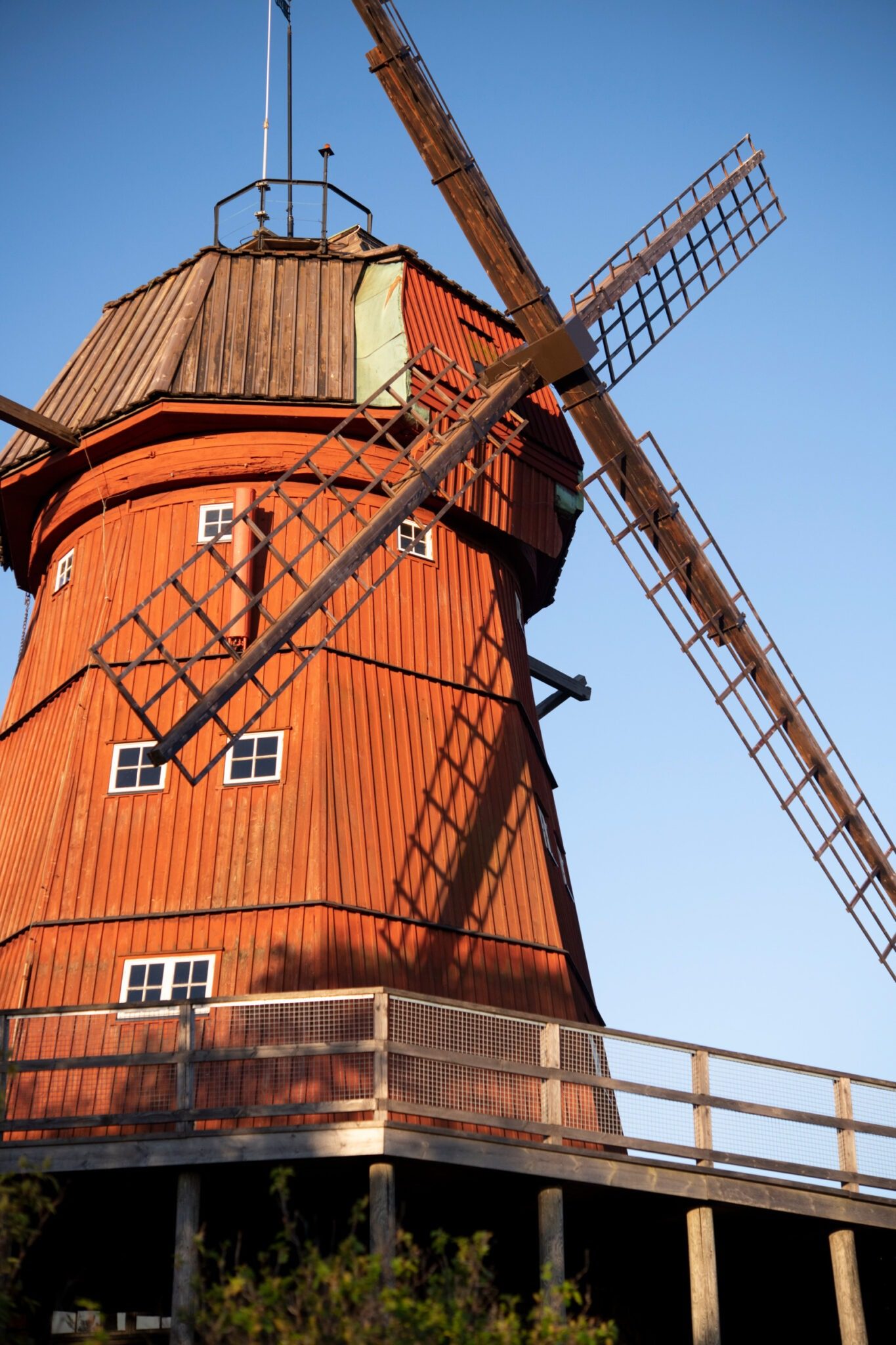
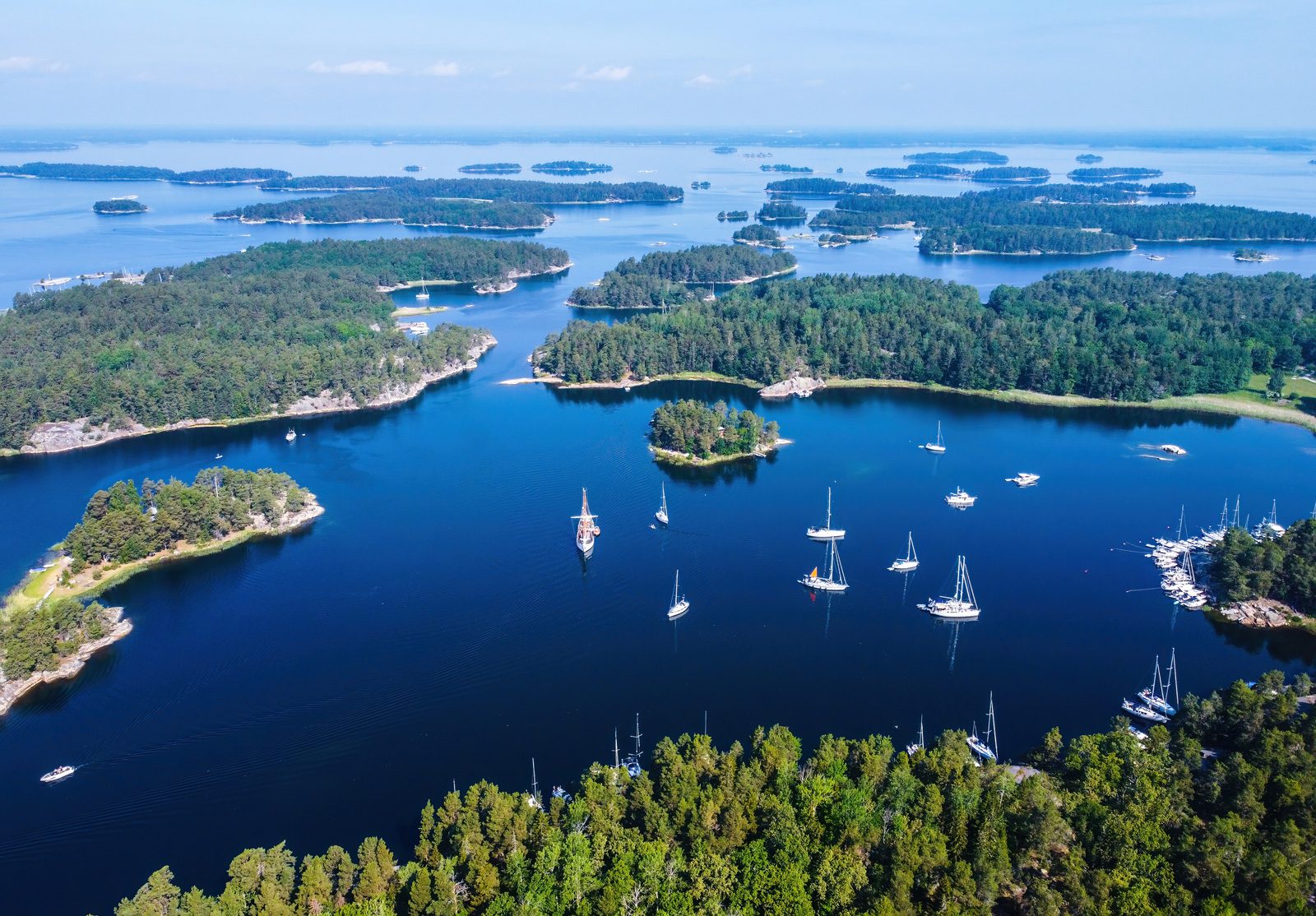
More than half of the Stockholm Archipelago's 30,000 islands remain uninhabited, creating one of Europe's largest maritime nature reserves within an hour of a capital city. The archipelago divides into three zones: the inner islands near Stockholm feature sheltered waters and year-round ferry service, the middle archipelago offers forested hiking and historic fishing villages, and the outer islands face open Baltic waters with dramatic granite cliffs. Island hopping by public ferry connects the most visited destinations. Fjäderholmarna lies 25 minutes from central Stockholm and serves as the gateway island, with artisan workshops and shoreline trails. Grinda, two hours east, provides forest hiking and sheltered swimming coves. Sandhamn at the outer edge attracts sailors and features the archipelago's only sandy beaches. Vaxholm functions as the archipelago's hub, with fortress tours and connections to dozens of smaller islands. Kayaking routes thread through narrow channels between inner islands, passing red fishermen's cottages and pine-covered skerries. Guided tours depart from Vaxholm and Stavsnäs, while experienced paddlers rent equipment for multi-day expeditions. Cycling routes on larger islands like Utö and Möja follow gravel roads through forest and farmland. Winter transforms the archipelago when ice bridges form between islands, allowing cross-country skiing and ice-skating across frozen bays. Fishing villages preserve 19th-century maritime culture. Sandhamn's narrow lanes wind past wooden pilot houses, while Möja's three settlements maintain working harbors. Most villages operate seasonal restaurants serving herring and Baltic salmon. The archipelago remains accessible throughout the year, though ferry frequency drops between November and March and some island restaurants close until May.

“More than half of the Stockholm Archipelago's 30,000 islands remain uninhabited, creating one of Europe's largest maritime nature reserves within an hour of a capital city.”
Timing

The Best Time and Window for What to Do in Stockholm Archipelago

The period from June to August provides the most reliable weather for outdoor exploration, while early morning departures remain essential for securing optimal ferry access. Planning visits between 07:00–10:00 ensures quieter island experiences and improved transport availability across the Stockholm Archipelago.

June–August

High seasonal volume

Mild, 15°C to 23°C

Long daylight hours allow for extended island hopping and outdoor activities.

May and September

Moderate

Cooler, 10°C to 17°C

These shoulder months offer thinner crowds and stable conditions for hiking or kayaking.

Weekday mornings

Minimal

—

Departing between 07:00–10:00 provides the most reliable ferry access and a quieter atmosphere.

Verdict: The best time to visit is during the weekday mornings in June or August to balance favorable weather with manageable crowd levels.

What to see

Key Locations: What to Do in Stockholm Archipelago Highlights

The Stockholm Archipelago consists of over 30,000 islands, each offering distinct characteristics ranging from historical fortifications to quiet, natural landscapes. These locations serve as the primary hubs for visitors exploring the region by water.

Vaxholm

Vaxholm

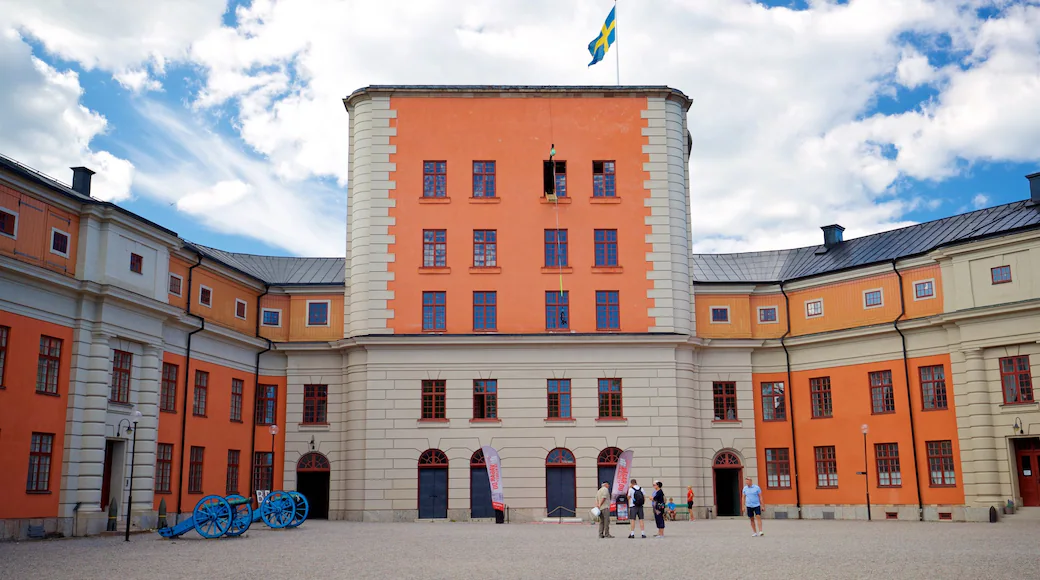
Known as the capital of the archipelago, this island features a well-preserved 19th-century fortress and traditional wooden architecture. It serves as a central hub for ferry connections to the outer islands.

Visit the fortress museum early to avoid midday crowds.
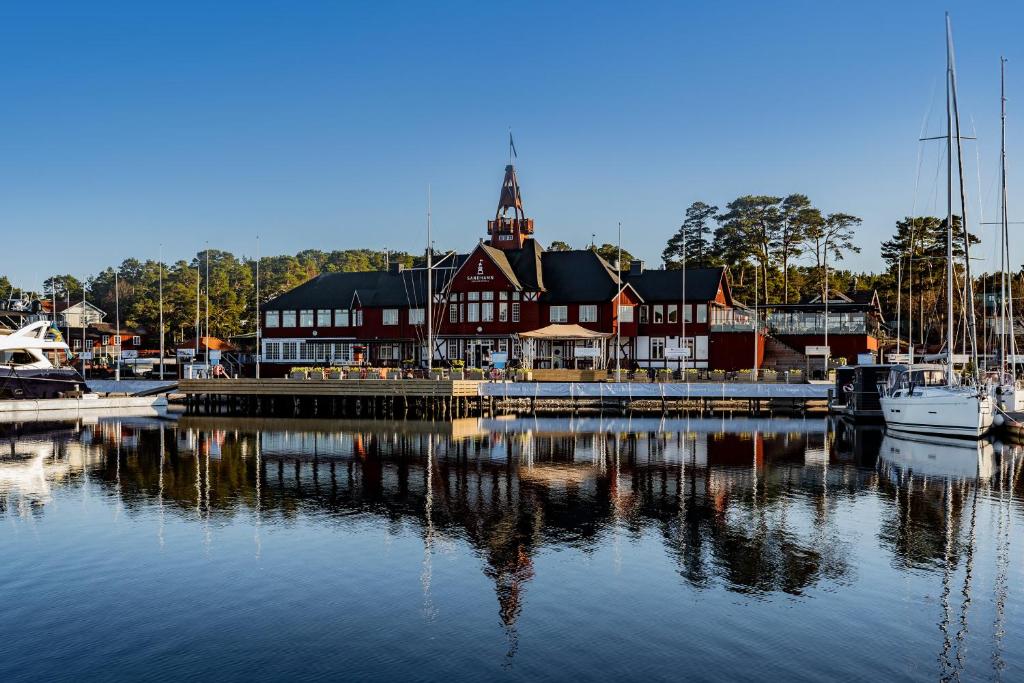
Sandhamn

Sandhamn

Located in the outer archipelago, Sandhamn is famous for its sailing history, sandy beaches, and dense pine forests. The village offers a concentrated selection of cafes and boutiques near the harbor.

Walk the forest trails toward the eastern beaches for solitude.

Grinda

Grinda

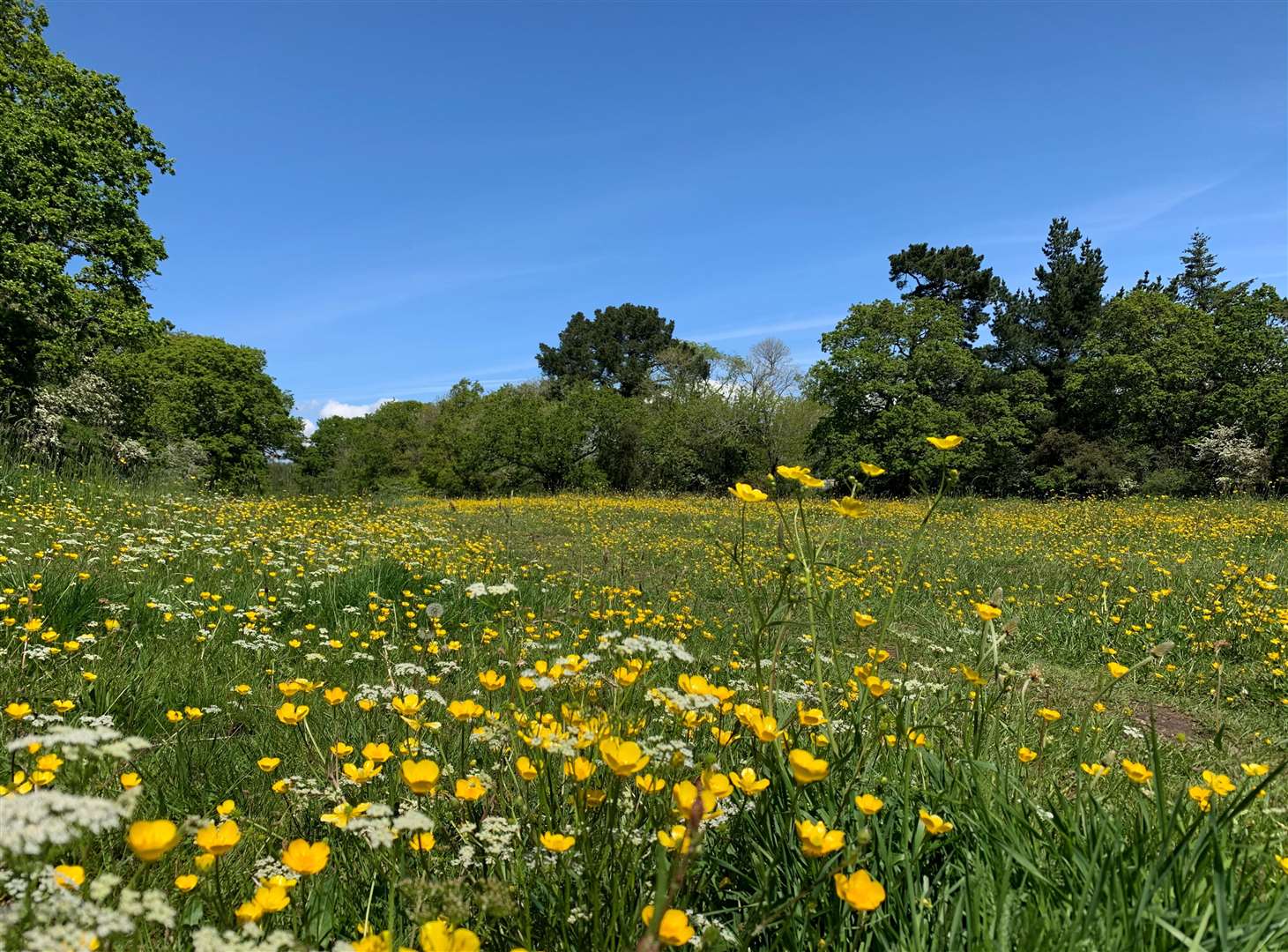
This island is a designated nature reserve characterized by open meadows, rocky cliffs, and accessible swimming spots. It provides a more rural experience with farm animals and walking paths.

Bring a picnic to the southern cliffs for sunset views.

Utö

Utö

Historically significant for its iron mines, this island now attracts visitors with its extensive cycling paths and diverse coastal scenery. The village of Gruvbyn serves as the main point of arrival and activity.

Rent a bicycle to reach the northern beaches efficiently.

Prices

Entrance Fees and Costs for What to Do in Stockholm Archipelago

The Stockholm Archipelago is a public area with no general admission charge. Costs for visitors are limited to expenses incurred for ferry transport or private guided excursions.

General Entrance Free public access to the archipelago
0 SEK
Ferry Transport Costs depend on distance and operator
Variable
Private Tours Prices vary by service provider and duration
Variable
Entrance to the archipelago is free for all visitors at all times.
Insider tips

Essential Tips for What to Do in Stockholm Archipelago

Navigating the islands effectively requires local knowledge regarding gear, social norms, and digital connectivity.

1

Pack layers and windbreakers

Weather conditions change rapidly on the water, even during summer months. A windproof outer layer is essential for staying comfortable on deck during longer transits.

2

Respect private property

Many islands contain private residences and gardens that are not open to the public. Stick to clearly marked paths and follow the Swedish Right of Public Access guidelines to ensure respectful exploration.

3

Carry physical maps

Digital signal strength fluctuates significantly between islands and in open water. Download offline maps or carry a paper chart to maintain navigation if cellular connectivity drops.

4

Bring your own supplies

Smaller, less populated islands often lack grocery stores or cafes. Pack sufficient water and snacks before departing the city to avoid being stranded without provisions.

5

Check ferry departure signs

Local ferry stops sometimes have limited signage or require passengers to signal the captain. Observe established local routines at the pier to ensure your vessel stops as intended.

Book

Check availability

Frequently asked

Common questions about what to do in stockholm archipelago

Everything you need to know about what to do in stockholm archipelago

What to do in stockholm archipelago for first-time visitors?

For those exploring the region, kayaking, hiking coastal trails, and visiting historic lighthouses are popular activities. You can also explore charming wooden villages or simply enjoy the Baltic Sea scenery from a public ferry. Engaging in outdoor recreation provides a deeper understanding of the local landscape and maritime heritage.

Are ferries the primary way to travel between islands?

Ferries serve as the main public transport network connecting the various islands in the Stockholm County region. While some larger islands are accessible by road, the boat routes are essential for reaching the more remote destinations. Navigating the water is an authentic part of the Swedish maritime experience.

Can families easily enjoy what to do in stockholm archipelago with children?

Many islands offer gentle hiking paths, swimming spots, and open spaces suitable for families. It is recommended to check specific ferry schedules in advance to ensure comfortable travel times for children. Keeping plans flexible helps ensure a pleasant day trip for travelers of all ages.

What should I avoid when planning what to do in stockholm archipelago?

A common mistake is underestimating the travel time required to reach the outer islands. It is advisable to focus on one or two specific locations rather than attempting to visit too many stops in a single day. Proper planning ensures you spend more time exploring and less time in transit.

Keep reading

More guides & pages